

Who plays first from the tee, and why do golfers call it the honour? We trace the order of play from the 1744 Leith rules to the modern Rules of Golf and today’s ready golf.
Read more
Foursomes, the Old Game of One Ball and Two Partners
Two partners, one ball and a shot each in turn: that is foursomes, and it is one of golf’s oldest and most demanding formats. Here is what we can say about where it comes from and why it is still played.
Read more
Why a Round of Golf Is 18 Holes
Nothing in nature says a round of golf should be 18 holes. It was a decision made at St Andrews in 1764, and it took a long time to become the rule everywhere else.
Read more
Waiting Your Turn: Golf’s Old Code of Behaviour
Long before anyone timed a round, golfers were expected to hold their tongues, keep still and let the other player have the course to himself. This is the real history of golf etiquette and pace of play, myths named as myths.
Read more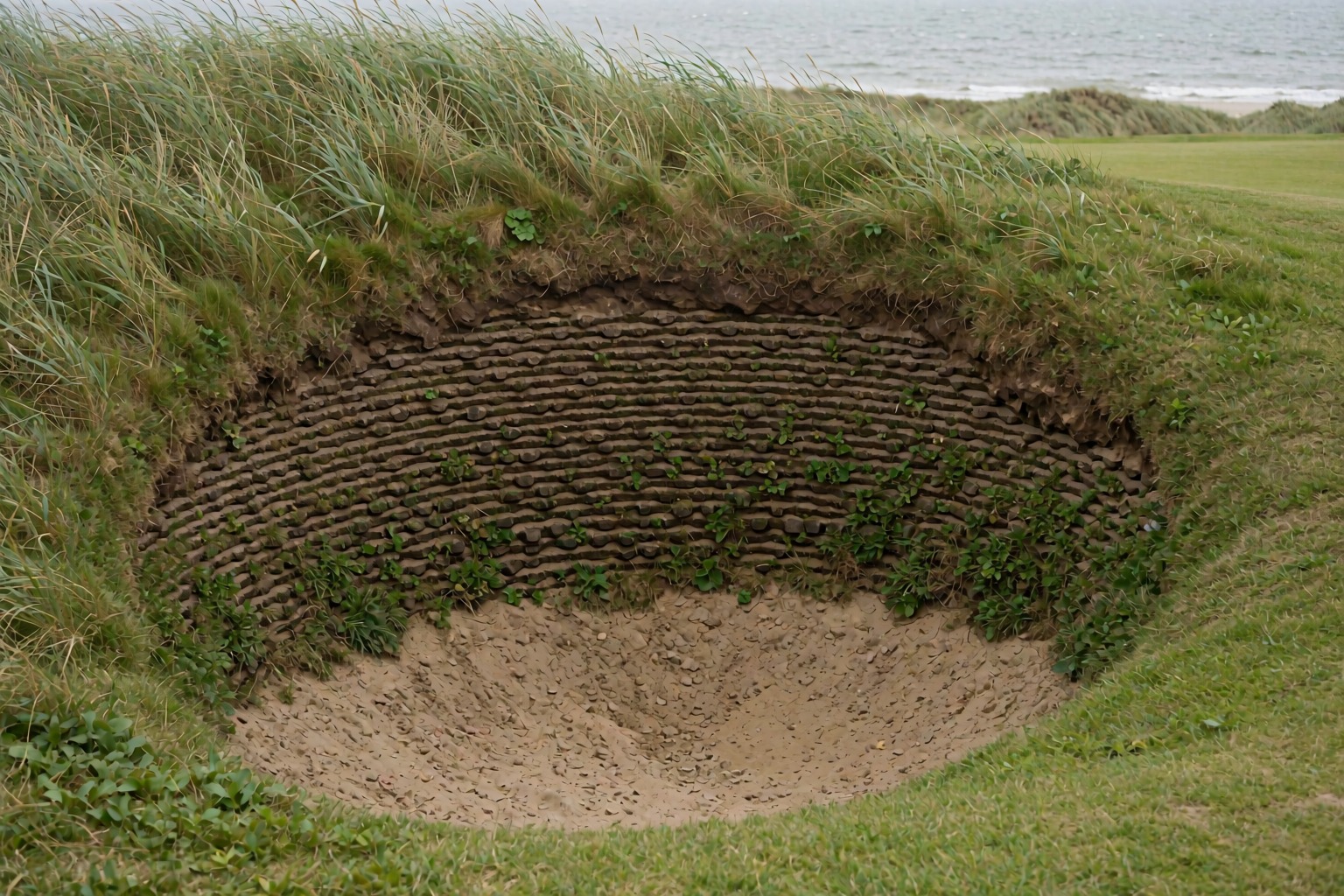
Why Links Bunkers Are Small, Deep and Faced With Turf
The pot bunker looks like a small thing, but its shape and its stacked-turf face come from wind, sheep and centuries of hard-won practice on links land. Here is where it came from, how it is built, and why golfers still respect it.
Read more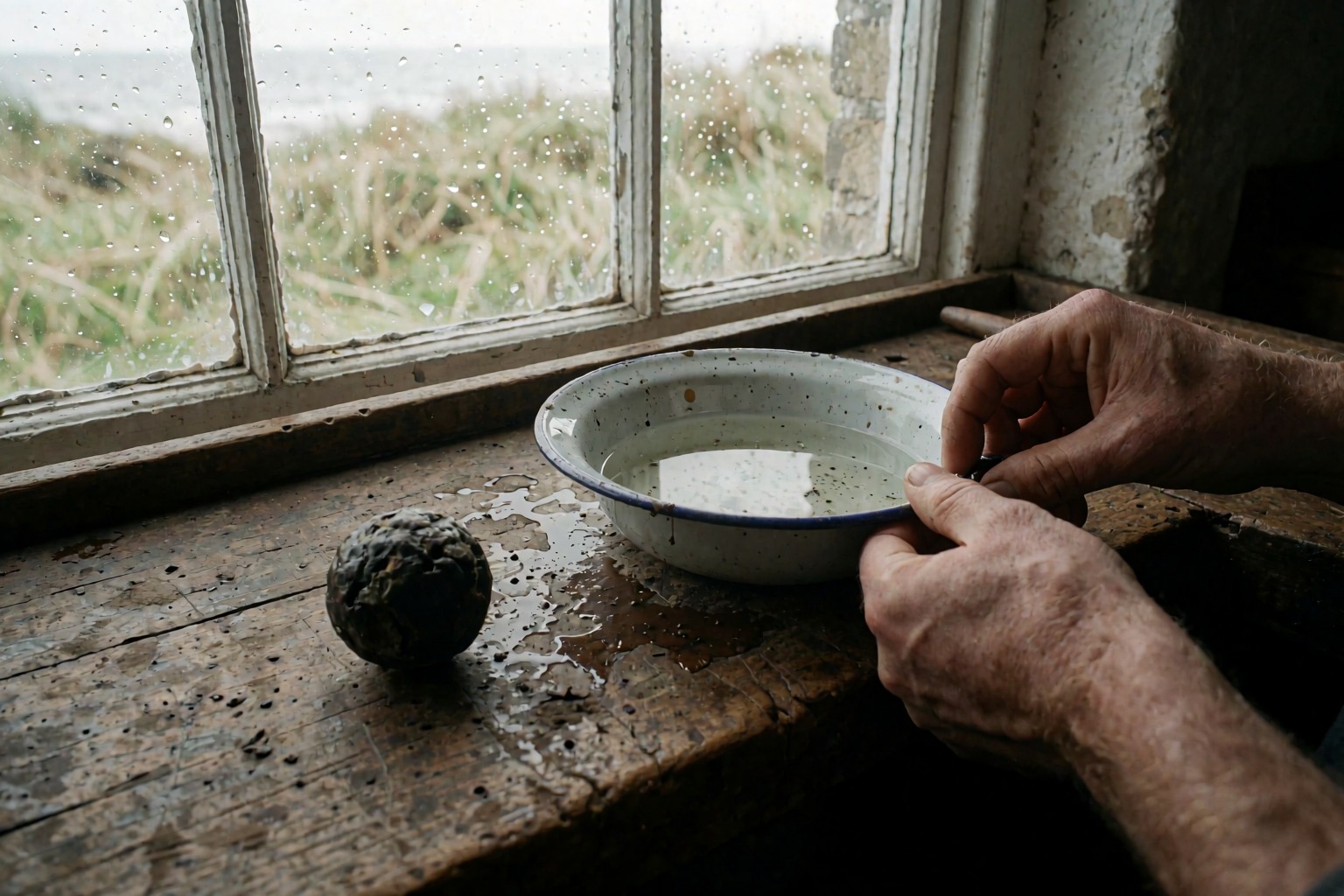
How the gutty ball changed golf, and why nicks helped
Around 1848 a lump of gum from a Malayan tree turned golf’s most expensive habit into an affordable one. Here is the real story of the gutty, and the accident that taught golfers a scuffed ball flies better.
Read more