
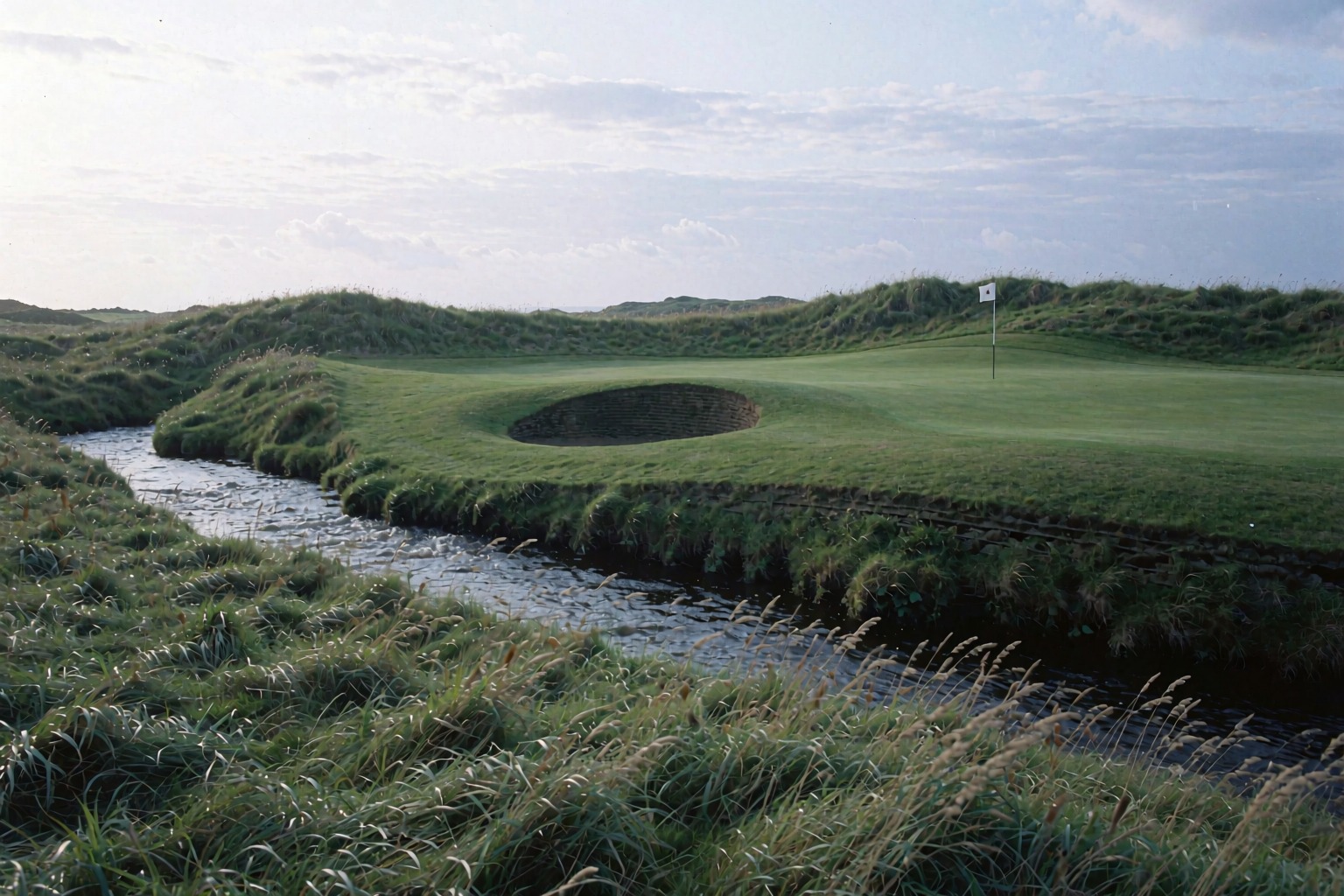
Carnoustie golf course on the Angus coast has decided Open Championships and broken strong golfers in the same afternoon. Here is what its history, its holes and the people who have played it actually say about it.
Read more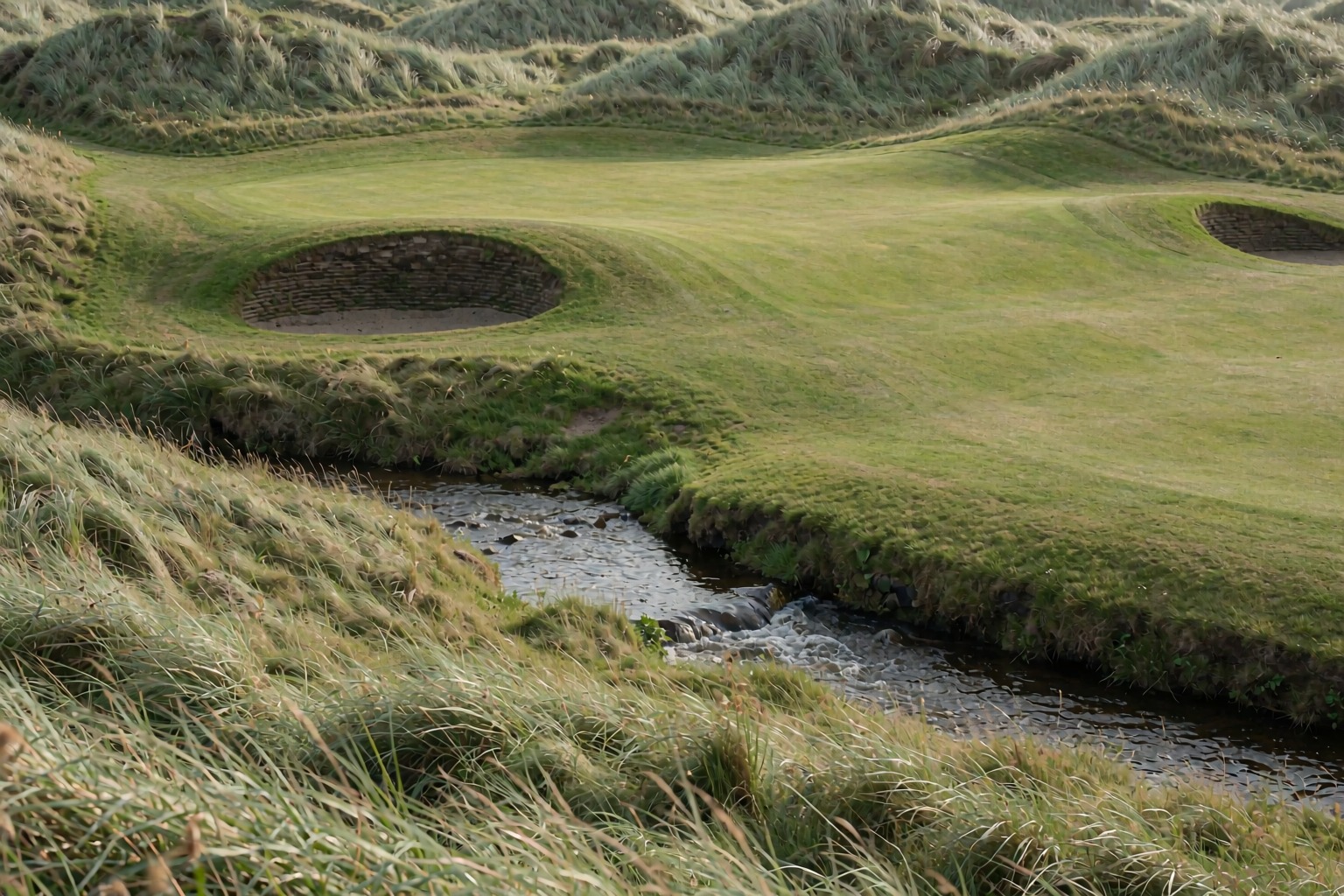
A Golfer’s Review of the Old Course at St Andrews
What the Old Course at St Andrews is actually like to play, hole by hole, and what a golfer needs to know before trying to get a tee time. Built from the club’s own history, Open Championship records and what golfers have said about playing it.
Read more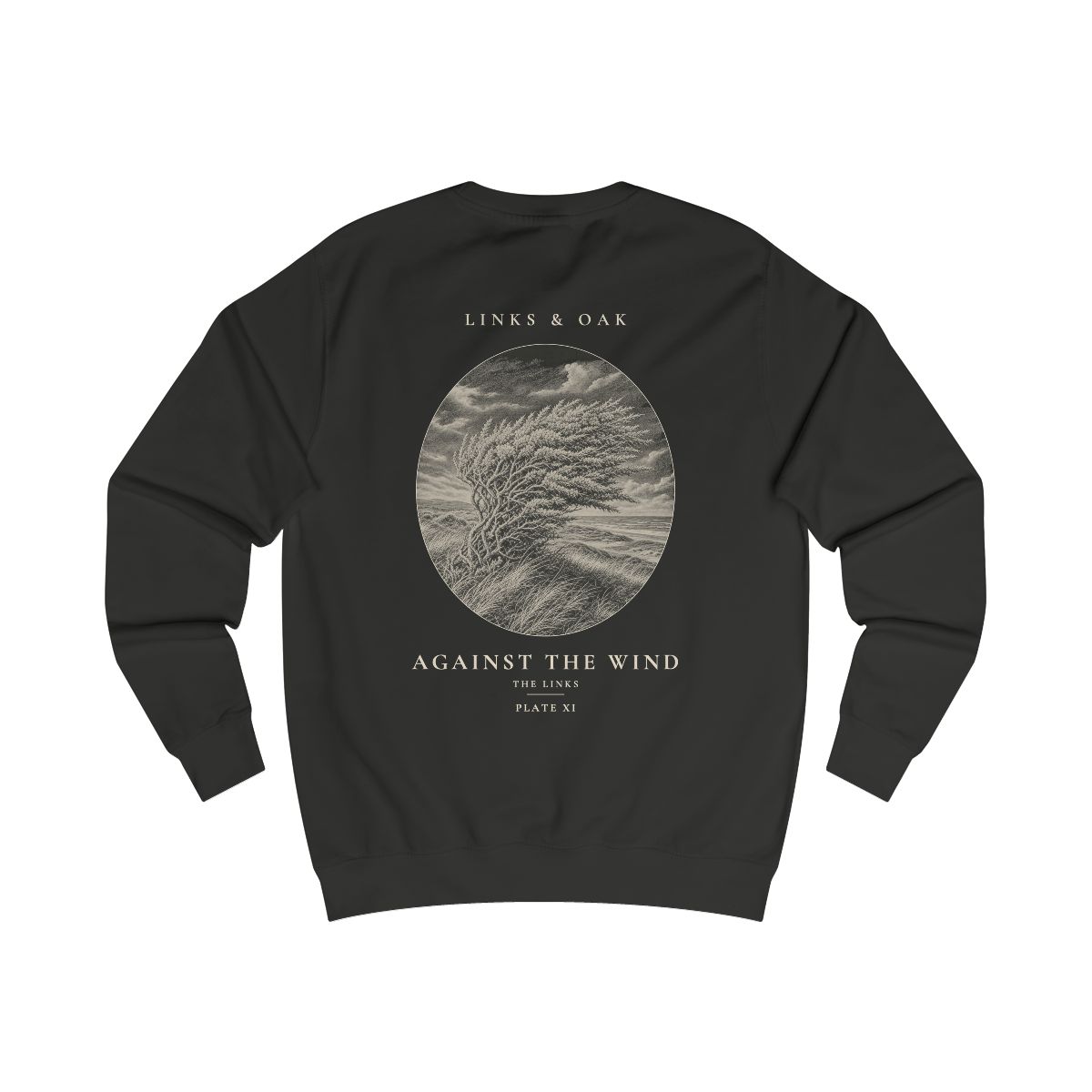
How Wind and Gorse Shaped the Old Links Game
Long before anyone designed a golf course, the wind and a spiny yellow shrub were already deciding how the game was played on the Scottish coast. This is the real story behind the scene on our plate “Against the Wind”.
Read more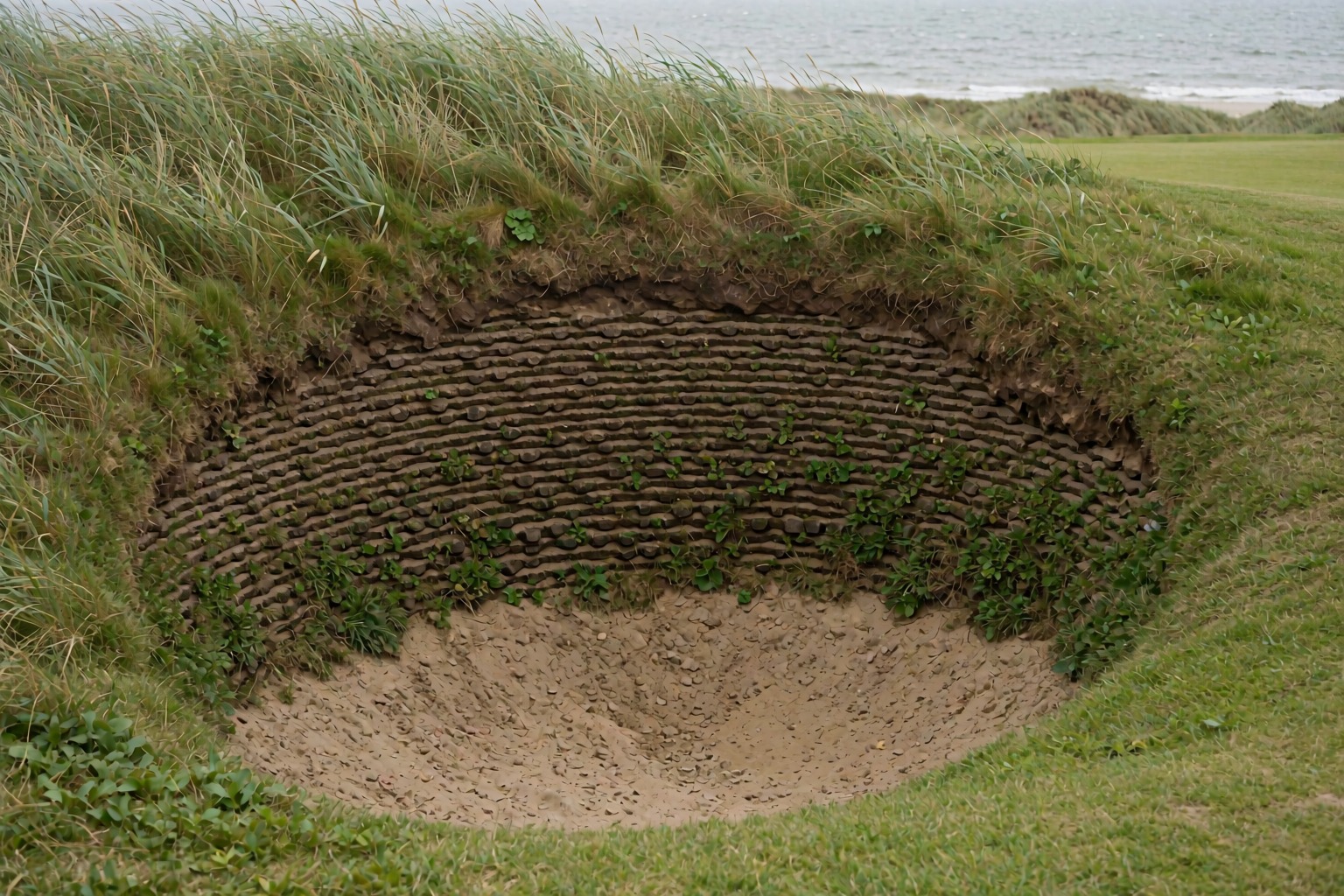
Why Links Bunkers Are Small, Deep and Faced With Turf
The pot bunker looks like a small thing, but its shape and its stacked-turf face come from wind, sheep and centuries of hard-won practice on links land. Here is where it came from, how it is built, and why golfers still respect it.
Read more
Why a Round of Golf Is 18 Holes
Nothing in nature says a round of golf should be 18 holes. It was a decision made at St Andrews in 1764, and it took a long time to become the rule everywhere else.
Read more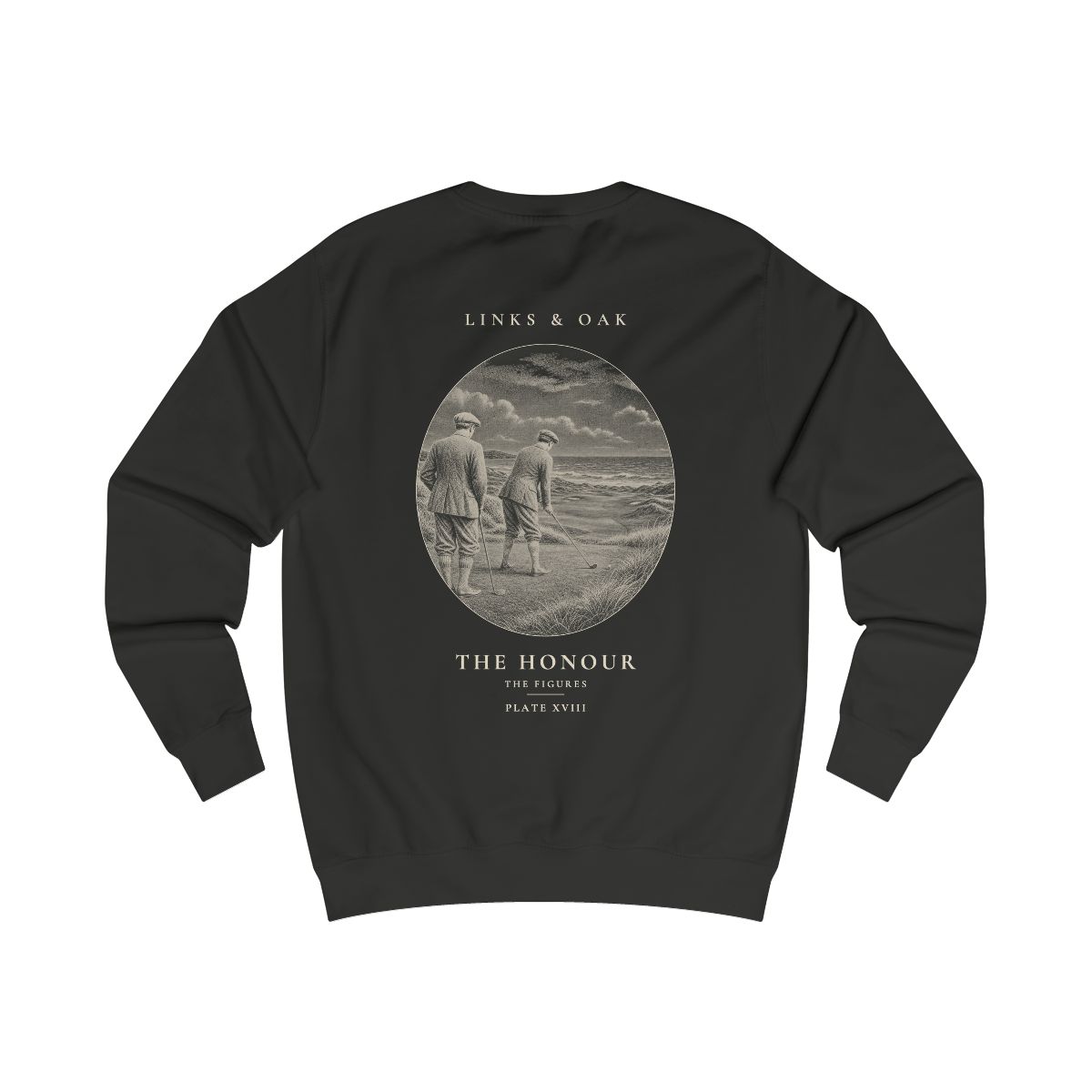
Who Has the Honour: The Tee, the Rules and Ready Golf
Who plays first from the tee, and why do golfers call it the honour? We trace the order of play from the 1744 Leith rules to the modern Rules of Golf and today’s ready golf.
Read more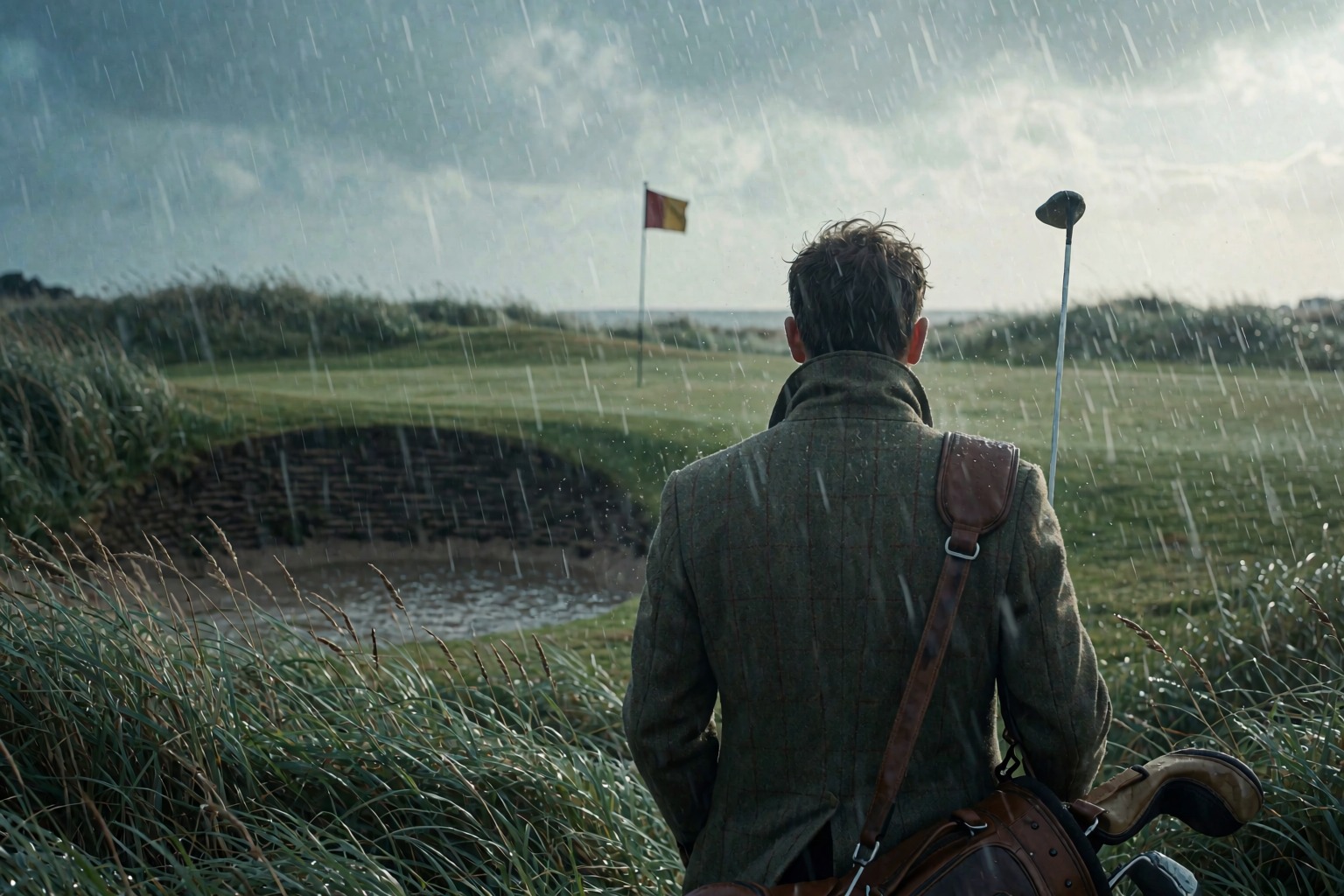
What Golfers Wore Against the Weather
Golf grew up on windswept coastal ground, and its clothes grew up with it: wool, tweed, oiled cotton and, much later, membranes. Here is how golfers dressed for the rain and how it changed.
Read more
Teeing Up Before Tees: The Old Pinch of Wet Sand
Long before the wooden peg, golfers built their own tee from a pinch of wet sand. Here is what the early rules say about it, and where the peg really came from.
Read more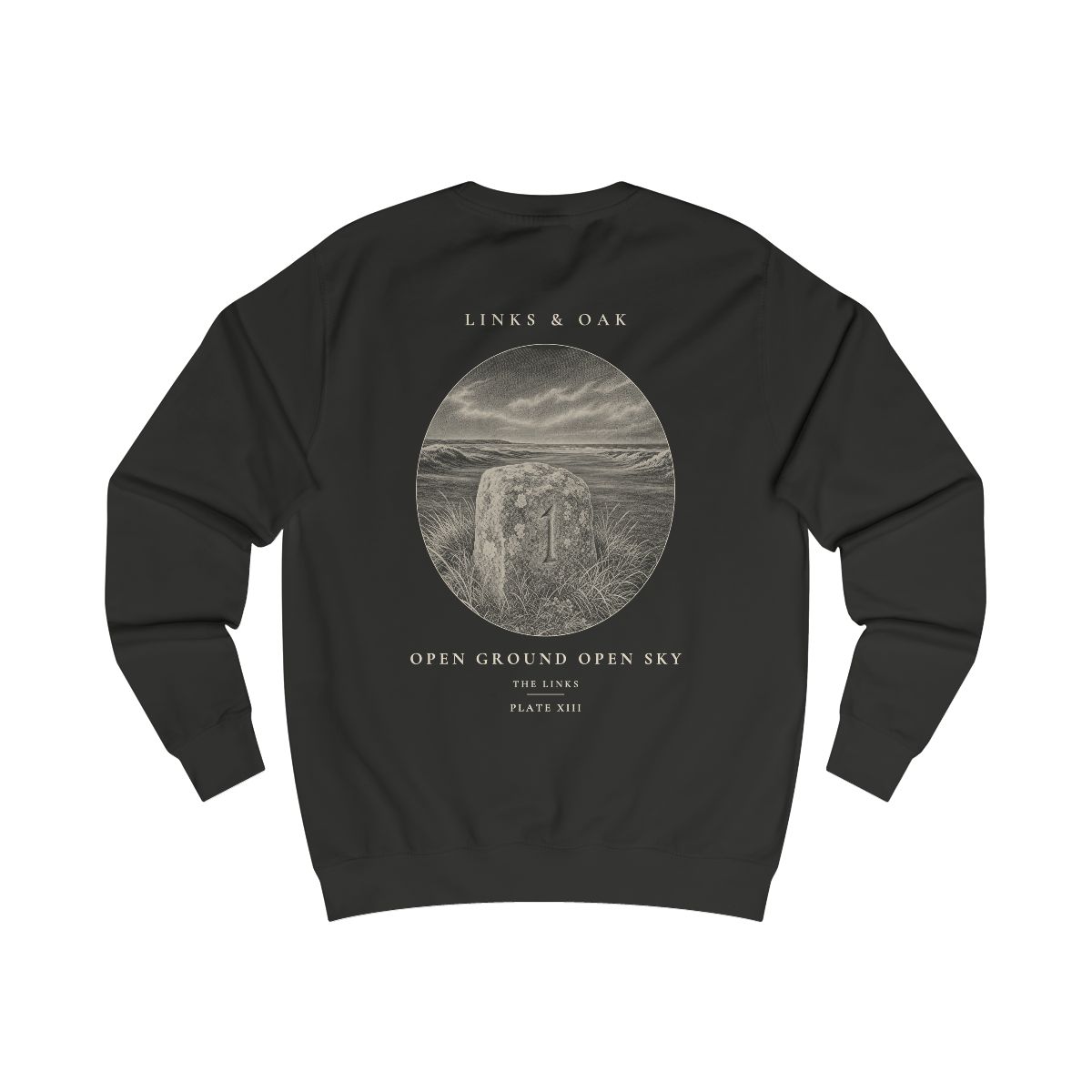
When the Old Links Belonged to Everyone
Before golf was a members’ game, the links was ground the whole town used: for grazing, for washing, for walking and for hitting a ball. This is the real history of that shared land, and what survives of it.
Read more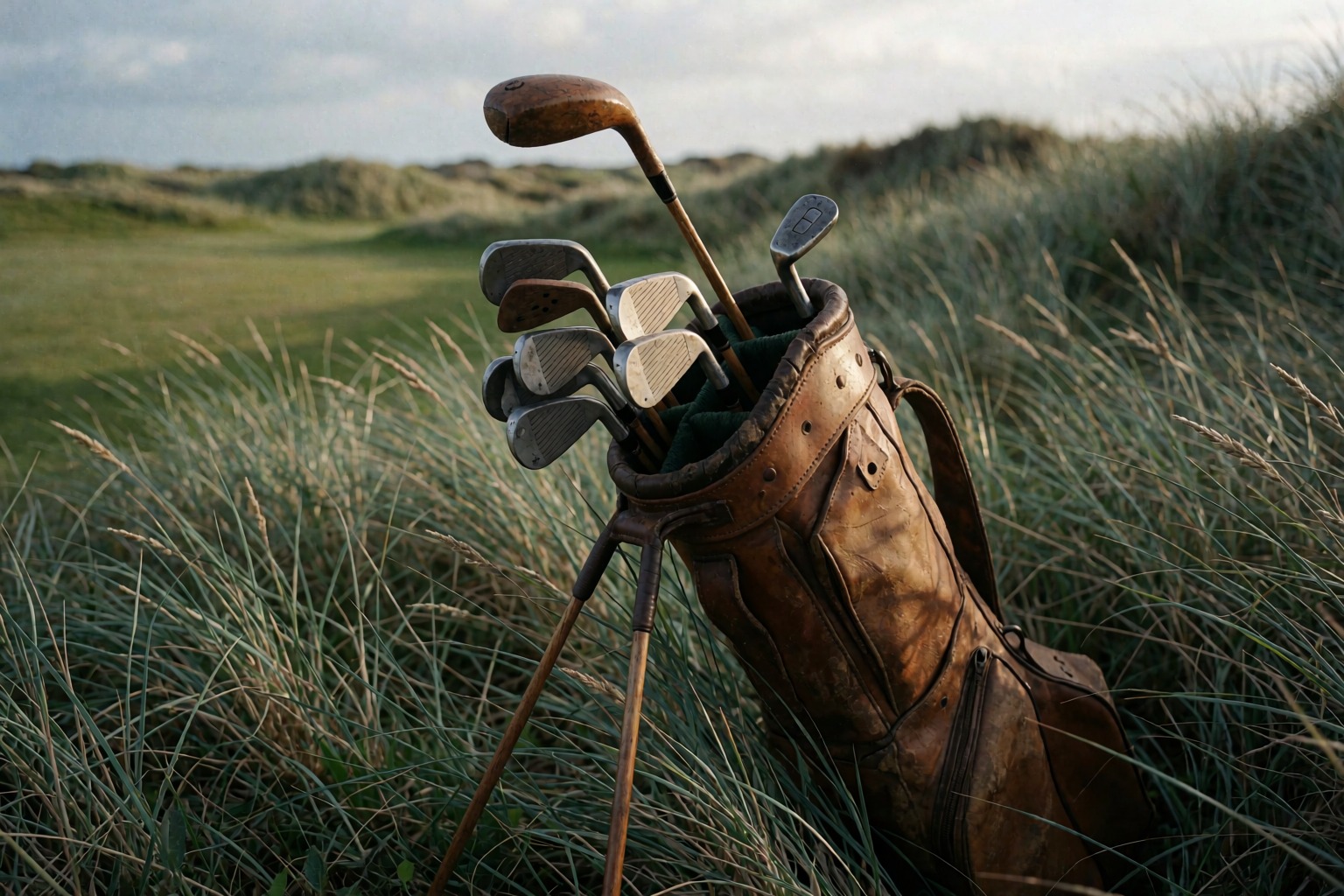
The Names in an Old Golf Bag: Cleek, Mashie, Niblick
Cleek, mashie, niblick, spoon and baffy: what each old club was for, where the names came from, and why they never map neatly onto a modern seven iron.
Read more